
Roof Ventilation Services
in the Bay Area
Your roof protects your home from rain and sun, but without proper ventilation, that protection comes at a cost. Heat and moisture trapped in your attic damage shingles from below, drive up cooling bills in summer, and create conditions for mold growth year-round.
Pacific Coast Roofing Service installs and balances roof ventilation systems that keep attics cooler in summer and drier in winter. Since 1996, we’ve helped Bay Area homeowners protect their roofs and lower their energy costs with properly designed intake and exhaust systems.
Call (510) 912-5454 for a ventilation assessment.
What Proper Roof Ventilation Does for Your Home
A balanced ventilation system pulls fresh air into your attic through soffit or eave vents and expels hot, moist air through ridge vents, gable vents, or roof-mounted exhaust vents. This continuous airflow prevents the problems that shorten roof life and increase energy costs.

Lower Cooling Costs in Bay Area Summers
Pleasanton, Dublin, and Livermore regularly hit 100°F+ in summer. Without adequate ventilation, your attic becomes an oven that radiates heat into your living space. Your air conditioner runs longer and works harder to compensate. Proper ventilation keeps attic temperatures closer to outdoor temperatures, reducing the cooling load on your HVAC system.
Longer Shingle Life
Asphalt shingles bake from above and below in hot attics. Excessive heat accelerates the breakdown of the asphalt binder that holds granules in place. Shingles curl, crack, and lose protective granules years earlier than they should. Adequate ventilation reduces attic heat and helps your roof reach its full lifespan.
Prevent Moisture Damage and Mold
Coastal areas like Richmond and Berkeley experience higher humidity. Indoor moisture from cooking, showers, and laundry rises into the attic. Without ventilation to expel it, condensation forms on roof sheathing and insulation. Over time, this leads to wood rot, mold growth, and compromised structural integrity. Proper airflow keeps attic humidity in check.
Stop Ice Dams in East Bay hills
Ice dams are rare in the Bay Area but can occur during cold snaps in higher elevations like Lafayette and Orinda. When heat escapes into an under-ventilated attic, it melts snow on the roof. That water refreezes at the eaves, creating an ice barrier that forces water under shingles. Ventilation keeps the roof deck cold and prevents the melt-freeze cycle.
Ventilation Systems We Install
Every roof needs balanced airflow: intake vents at the eaves and exhaust vents at or near the peak. We design systems based on your roof’s square footage, layout, and existing ventilation.
Ridge Vents
Ridge vents run along the peak of your roof and provide continuous exhaust ventilation. They’re nearly invisible from the ground and work with soffit vents to create natural convection: hot air rises and exits through the ridge while cool air enters at the soffits. Ridge vents are the most effective exhaust option for most homes.
Soffit Vents
Soffit vents sit under the eaves and bring fresh air into the attic. They work in tandem with ridge or gable vents to complete the airflow loop. Without adequate intake, exhaust vents can’t function properly. We calculate the right ratio of intake to exhaust to maintain balanced ventilation.
Gable Vents
Gable vents are installed on the vertical walls at each end of an attic. They allow air to enter or exit depending on wind direction. While less effective than ridge vents for exhaust, they can supplement other ventilation or serve as the primary system on certain roof designs.
Attic Fans (Powered and Solar)
Powered attic fans actively pull hot air out of the attic. They’re useful in situations where passive ventilation isn’t sufficient, such as complex roof designs with limited ridge or soffit access. Solar-powered models run without adding to your electric bill. We install both types and help you determine if an active system makes sense for your home.
Turbine Vents
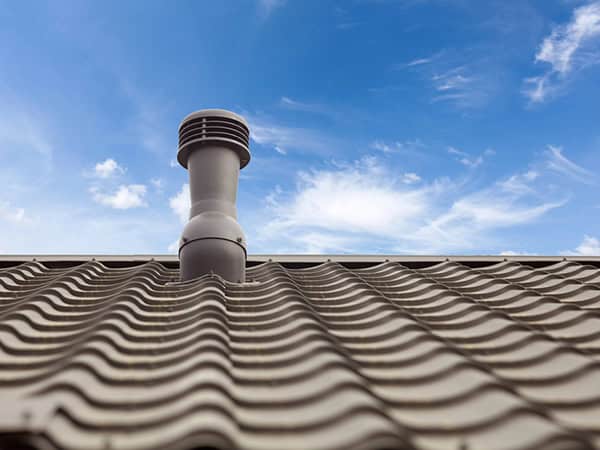
Turbine vents (also called whirlybirds) use wind to spin and draw air out of the attic. They’re effective in windy areas and don’t require electricity. We install turbine vents when roof design or aesthetics make ridge vents impractical.
How We Design Your Ventilation System
Ventilation isn’t one-size-fits-all. A system that works for a 1,200-square-foot ranch won’t work for a 2,500-square-foot two-story home. We follow building codes and manufacturer guidelines to calculate the right amount of intake and exhaust for your attic.
We Assess Your Current Ventilation
Many homes have insufficient intake, blocked soffit vents, or an imbalance between intake and exhaust. We inspect your existing system and identify what’s working and what’s not.
We Calculate Your Attic’s Square Footage.
Building codes require one square foot of net free ventilation area for every 150 square feet of attic space (or 1:300 with a vapor barrier). We measure your attic and determine how much intake and exhaust ventilation you need.
We Balance Intake and Exhaust
Exhaust vents only work if there’s enough intake to feed them. We install soffit vents or other intake options to match or slightly exceed exhaust capacity. This prevents negative pressure that can pull conditioned air from your living space into the attic.
We Install Vents During Roof Replacement or as a Standalone Project
If you’re replacing your roof, we incorporate ventilation into the project. If your existing roof is in good shape but under-ventilated, we can add or upgrade vents without replacing the entire roof.
Why Ventilation Matters More in the Bay Area
The Bay Area’s climate varies dramatically within a few miles. Tri-Valley cities bake in summer heat. Coastal areas deal with marine layer moisture. East Bay hills experience temperature swings and occasional freezing weather. Your roof faces different challenges depending on where you live.
Hot inland summers stress roofs. Attic temperatures in unventilated homes can reach 150°F+ on summer days. That extreme heat shortens shingle life and increases cooling costs. Ventilation keeps attics 30-50°F cooler.
Coastal humidity creates condensation risk. Homes near the bay or in Richmond, Berkeley, and Albany experience higher humidity. Without airflow to expel moist air, condensation accumulates on roof sheathing and insulation. This leads to mold, rot, and structural damage over time.
Your roof works year-round, not just in summer. Even in mild Bay Area winters, attics need ventilation to prevent moisture buildup from indoor activities. Kitchens, bathrooms, and laundry rooms generate humidity that rises into the attic. Ventilation removes it before it causes problems.

Signs Your Home Needs Better Ventilation
You don’t need to climb into your attic to know if ventilation is inadequate. These signs indicate a problem:
- High cooling bills in summer. If your AC runs constantly and your home stays warm, your attic may be radiating heat into your living space.
- Curling or cracking shingles. Excessive heat from below accelerates shingle deterioration. Premature failure often points to poor ventilation.
- Ice dams in winter (rare but possible). If you’re in the East Bay hills and see ice buildup at the eaves, heat is escaping into your attic.
- Mold or mildew in the attic. Moisture accumulation creates ideal conditions for mold growth.
- Rusty nails or damp insulation. These are signs of condensation in the attic.
If you notice any of these issues, your ventilation system may need an upgrade.
GAF Certified Installation
Pacific Coast Roofing Service is a GAF Certified Contractor. We follow manufacturer specifications for ventilation to protect your roof warranty and performance. Proper ventilation is a requirement for many extended warranties because it directly affects roof longevity.
Get a Ventilation Assessment
We’ve installed roof ventilation systems across Contra Costa, Alameda, and Solano counties for 28+ years. Whether you need a new system during a roof replacement or an upgrade to your existing roof, we’ll design a solution that balances intake and exhaust for your home’s specific needs.
Call (510) 912-5454 to schedule a ventilation assessment.
Frequently Asked Questions
How much does roof ventilation installation cost?
Cost depends on the type and number of vents needed. Ridge vent installation during a roof replacement adds $3-5 per linear foot. Soffit vent installation ranges from $5-10 per vent. Attic fan installation (powered or solar) ranges from $400-800 per unit. We provide exact pricing after assessing your attic size and current ventilation.
Can you add ventilation to an existing roof without replacing it?
Yes. We can install additional soffit vents, gable vents, or powered attic fans without replacing your roof. If you need ridge vents, we cut a slot along the peak and install the vent with minimal disruption to existing shingles. We assess your roof’s condition and recommend the best approach for your situation.
How do I know if my attic has enough ventilation?
Building codes require one square foot of ventilation for every 150 square feet of attic space (or 1:300 with a vapor barrier). We measure your attic, calculate your ventilation needs, and compare it to your current system. If you’re experiencing high cooling bills, premature shingle wear, or attic moisture, you likely need more ventilation.
What's the difference between intake and exhaust ventilation?
Intake vents (soffit vents, eave vents) bring fresh air into the attic at the lowest point. Exhaust vents (ridge vents, gable vents, turbine vents) expel hot, moist air at or near the peak. Both are necessary for proper airflow. Without adequate intake, exhaust vents can’t function effectively. We balance intake and exhaust to create continuous airflow.
Do attic fans lower cooling costs?
Powered attic fans reduce attic temperatures, which can lower cooling costs by reducing radiant heat transfer into your living space. Solar-powered fans provide this benefit without increasing your electric bill. Fans are most effective when paired with adequate passive ventilation (soffit and ridge vents). We help you determine if an attic fan makes sense for your home.
How long does ventilation installation take?
Ridge vent installation during a roof replacement adds minimal time to the project (typically completed in the same day). Standalone soffit or gable vent installation takes 2-4 hours depending on the number of vents. Attic fan installation takes 3-5 hours per unit. We provide a timeline estimate when we assess your project.
Will new ventilation affect my roof warranty?
Proper ventilation protects your roof warranty. Most manufacturers require adequate ventilation for extended warranties because it prevents heat and moisture damage that voids coverage. As GAF Certified Applicators, we install ventilation systems that meet manufacturer specifications and protect your warranty.